
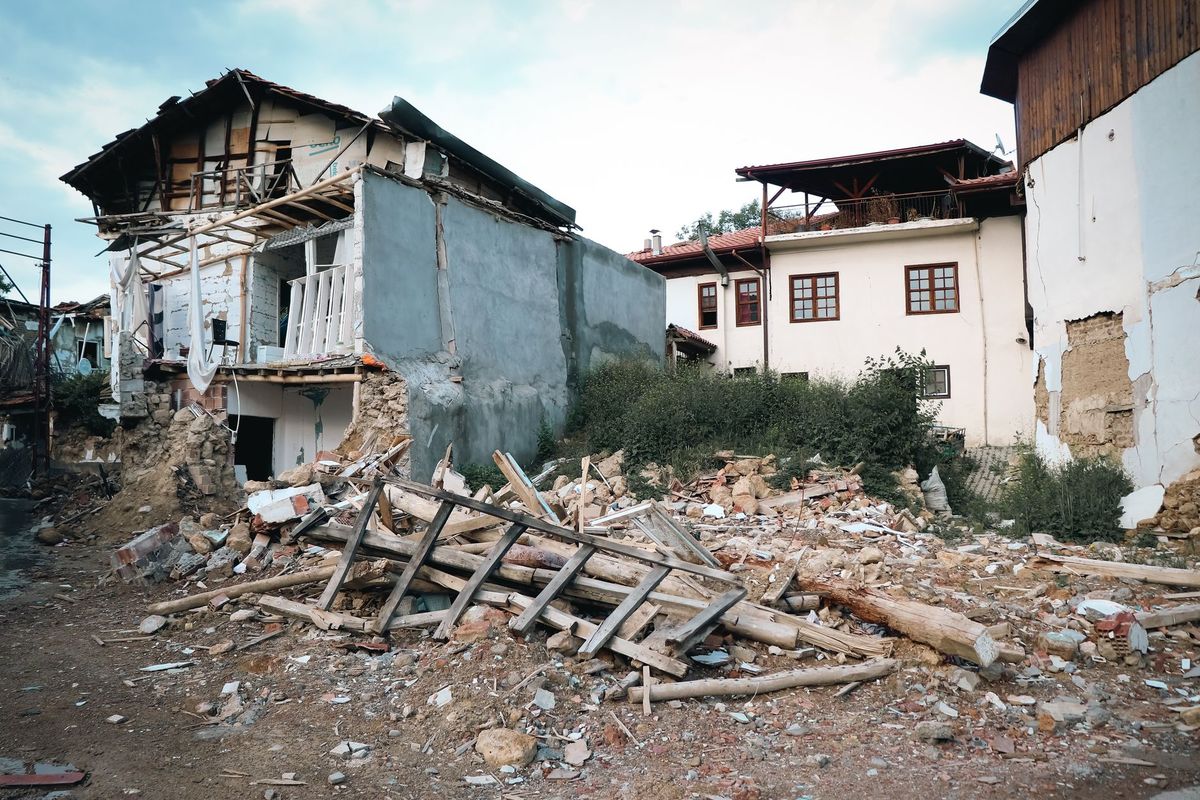
A magnitude 5 earthquake struck Granada, Spain, on August 15, 2026, causing material damage and prompting the local authorities to activate an emergency response. The seismic event, with its epicentre in Alhendín, resulted in various structural impacts but, crucially, no reported victims, according to EL PAÍS. The tremors were widely felt, reaching as far as ten provinces across Spain, as detailed by RTVE.es.
Background
The earthquake, which occurred on the morning of August 15, 2026, marked a significant seismic event for the region of Andalucía. While the primary concern following such an event is often human safety, reports from EL PAÍS confirmed that there were no fatalities. However, the tremor’s intensity was sufficient to cause tangible disruption. Material damage was reported across the affected areas, underscoring the force of the magnitude 5 quake. RTVE.es further elaborated on the widespread nature of the event, noting that the shaking was perceptible in no fewer than ten provinces, illustrating its extensive reach beyond the immediate epicentre.
Main Developments: Impact and Response
The immediate aftermath of the earthquake saw reports of damage emerging from various parts of Granada. Ideal, a local newspaper, highlighted specific instances of structural impact, detailing “caídas de cornisas” – falling cornices – and “edificios afectados” – affected buildings – in both the capital city and its surrounding area, known as the Cinturón. These reports indicate that while no lives were lost, the structural integrity of some buildings was compromised, necessitating careful assessment and potential repairs.
In response to the seismic activity and the ensuing damage, the Junta de Andalucía, the regional government, took swift action. According to EL PAÍS, the “fase de emergencia” was activated. This measure typically involves coordinating rescue efforts, assessing damage, and deploying resources to assist affected communities. The activation of an emergency phase signifies the seriousness with which authorities viewed the situation, mobilising resources to manage the consequences and ensure public safety in the wake of the tremors. The decision to activate this emergency protocol underlines the potential for disruption caused by a magnitude 5 earthquake, even without direct casualties.
The widespread nature of the tremors, as reported by RTVE.es, meant that although the epicentre was pinpointed to Alhendín, near Granada, the experience of the earthquake was not confined to this specific locality. Residents in a broad swathe of southern Spain felt the shaking, leading to a general sense of unease and, in some cases, contributing to the material damages reported. The fact that the earthquake was felt across ten different provinces points to the significant geological forces at play and the potential for a larger geographical impact even from a localised epicentre. This broad perceptibility would have added to the urgency for the emergency services and regional authorities to coordinate a comprehensive response across multiple administrative boundaries.
The focus of the emergency phase would have been on ensuring the safety of residents, assessing the extent of the damage to infrastructure and private property, and providing support where needed. While the absence of victims is a positive outcome, the reported material damage, including architectural elements like cornices, suggests that the event was certainly disruptive and would have required substantial efforts for recovery and repair in the affected areas. The coordination between various governmental agencies and emergency services under the activated emergency phase would have been critical in managing these challenges effectively.
Frequently Asked Questions
- Q: What was the magnitude of the earthquake?
A: The earthquake that struck Granada on August 15, 2026, was reported to be of magnitude 5. - Q: Where was the epicentre of the earthquake?
A: According to RTVE.es, the epicentre of the magnitude 5 earthquake was located in Alhendín, near Granada. - Q: What was the extent of the damage caused by the earthquake?
A: While EL PAÍS confirmed no victims, Ideal reported material damage, including falling cornices and affected buildings in Granada capital and the Cinturón. - Q: Was the earthquake felt in other regions beyond Granada?
A: Yes, RTVE.es stated that the earthquake was felt in ten different provinces across Spain.
What this means for you
For readers in Manchester and Greater Manchester, and indeed across the wider UK, the news of a magnitude 5 earthquake in Granada, Spain, serves as a significant international news event. While geographically distant, it underscores the dynamic nature of our planet and the occurrence of seismic activity globally. This particular event, while causing material damage and disrupting local life in Granada, notably resulted in no reported victims, a testament to potentially robust building standards and effective emergency responses in the region.
Manchester Pulse is committed to bringing you timely and accurate reports on major global occurrences, alongside our dedicated coverage of local stories, culture, and football in Greater Manchester. This incident in Spain, although having no direct impact on UK residents, is part of the broader tapestry of global events that we believe are important for our readership to be aware of. It highlights the often unpredictable forces of nature and how communities respond to such challenges. Our reporting aims to provide clear, factual accounts of such developments, keeping our audience informed about the world around them, whether it’s local happenings or significant international news.