
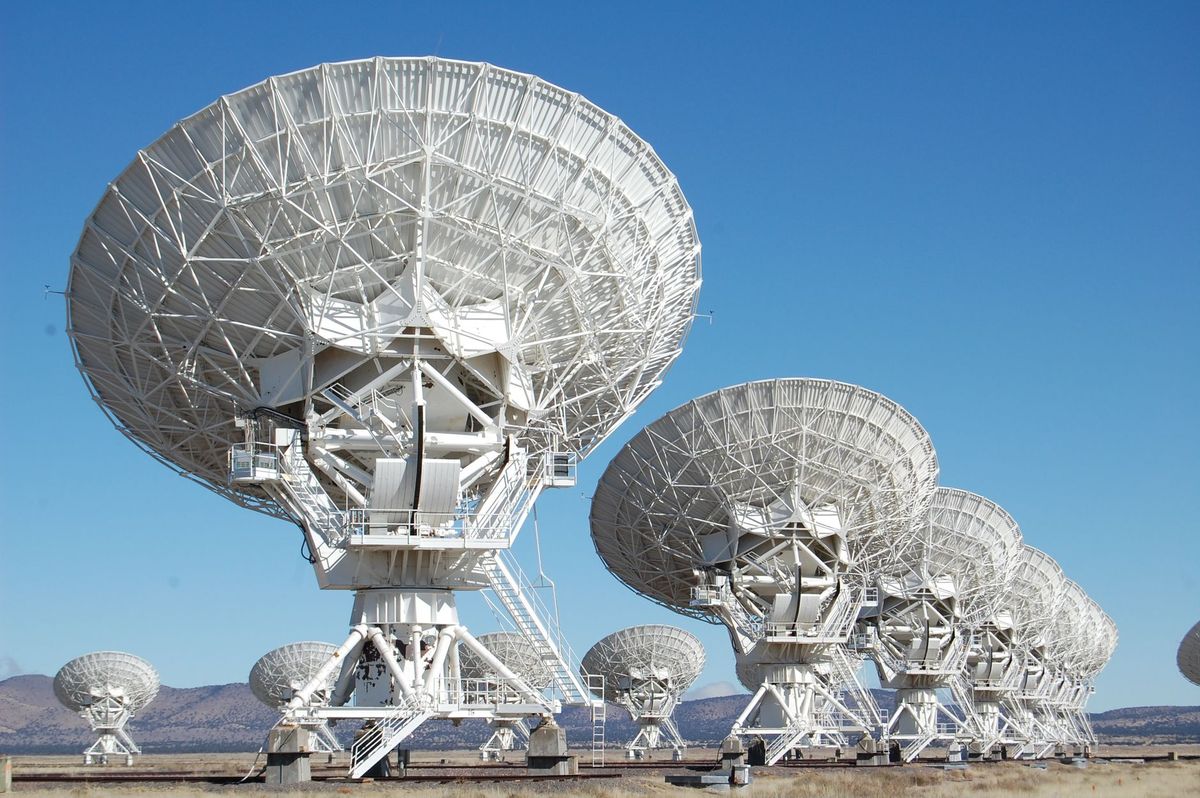
The iconic Jodrell Bank telescope, a globally recognised scientific and cultural landmark situated within the UK, is reportedly facing the potential threat of closure. This development comes amidst broader concerns over science funding reductions. As a famous UK space attraction and a designated UNESCO World Heritage site, the facility has maintained its operations for an impressive 70 years.
In response to these growing concerns, local authorities, most notably Cheshire East Council, have publicly voiced their apprehension. The council is actively preparing to underscore the profound significance of the facility to the government, a move prompted by the increasing fears of funding cuts that could jeopardise the future of this long-standing and crucial institution.
Background and Significance
Jodrell Bank holds a distinguished position as an iconic UK telescope, having served as a pivotal centre for astronomical research and discovery for many decades. Beyond its scientific contributions, it is also celebrated as a famous UK space attraction, consistently drawing a diverse audience of visitors from across the country and internationally. The site’s immense historical and scientific value received formal recognition with its designation as a UNESCO World Heritage site, acknowledging its unique contribution to humanity’s understanding of the cosmos.
Reports indicate that the telescope is facing the “axe” due to ongoing and widespread science cuts. This situation has generated significant concern throughout the scientific community and among the wider public. For 70 years, Jodrell Bank has stood as a cornerstone of space exploration and cutting-edge research, a legacy that now appears to be under considerable threat.
Mounting Closure Threats and the Local Response
The primary catalyst for the potential closure of Jodrell Bank stems from fears surrounding significant funding cuts. The BBC has reported explicitly that the UK’s iconic telescope is confronting the risk of being “axed.” This alarming sentiment is further amplified by The Sun, which highlighted the peril faced by the famous UK space attraction and UNESCO site, noting its potential closure after seven decades of continuous operation.
In a determined effort to counter these threats, Cheshire East Council has committed to highlighting Jodrell Bank’s importance directly to the government. As detailed by the Knutsford Guardian, the council is actively backing the “fight” against these potential funding cuts. This strong show of local support unequivocally underlines the significant cultural, scientific, and educational value that the site holds, not only within its immediate region but also across the entire nation.
FAQ
- Q: What is Jodrell Bank?
- A: Jodrell Bank is widely recognised as the UK’s iconic telescope, a famous UK space attraction, and a UNESCO World Heritage site, celebrated for its pioneering work in astronomical research.
- Q: Why is Jodrell Bank facing potential closure?
- A: The facility is under threat of closure, or facing the “axe,” due to broader government-led science cuts and specific fears regarding significant funding reductions.
- Q: How long has Jodrell Bank been operational?
- A: Jodrell Bank has been continuously operational for 70 years, with current reports indicating it faces potential closure after this long period of service.
- Q: What is the local response to the potential cuts?
- A: Cheshire East Council is demonstrating strong support, pledging to highlight Jodrell Bank’s critical importance to the government and backing efforts to fight against the potential funding cuts.
What this means for you
For residents across Manchester and Greater Manchester, as well as for the wider UK audience, the potential closure of Jodrell Bank represents a deeply concerning prospect. The site is not merely a globally recognised centre for cutting-edge scientific research and a prestigious UNESCO World Heritage site; it is also a cherished local attraction that has inspired countless individuals and nurtured an interest in science and space for generations.
The ongoing threat to Jodrell Bank serves as a stark illustration of the broader implications that science funding cuts can have on vital national heritage and crucial scientific endeavour. Its continued operation is paramount, both for preserving its invaluable historical legacy and for ensuring its ongoing and significant contributions to global astronomy. The proactive efforts by local authorities to safeguard its future underscore the widespread recognition of Jodrell Bank’s unique and irreplaceable importance to both the scientific community and the general public.