
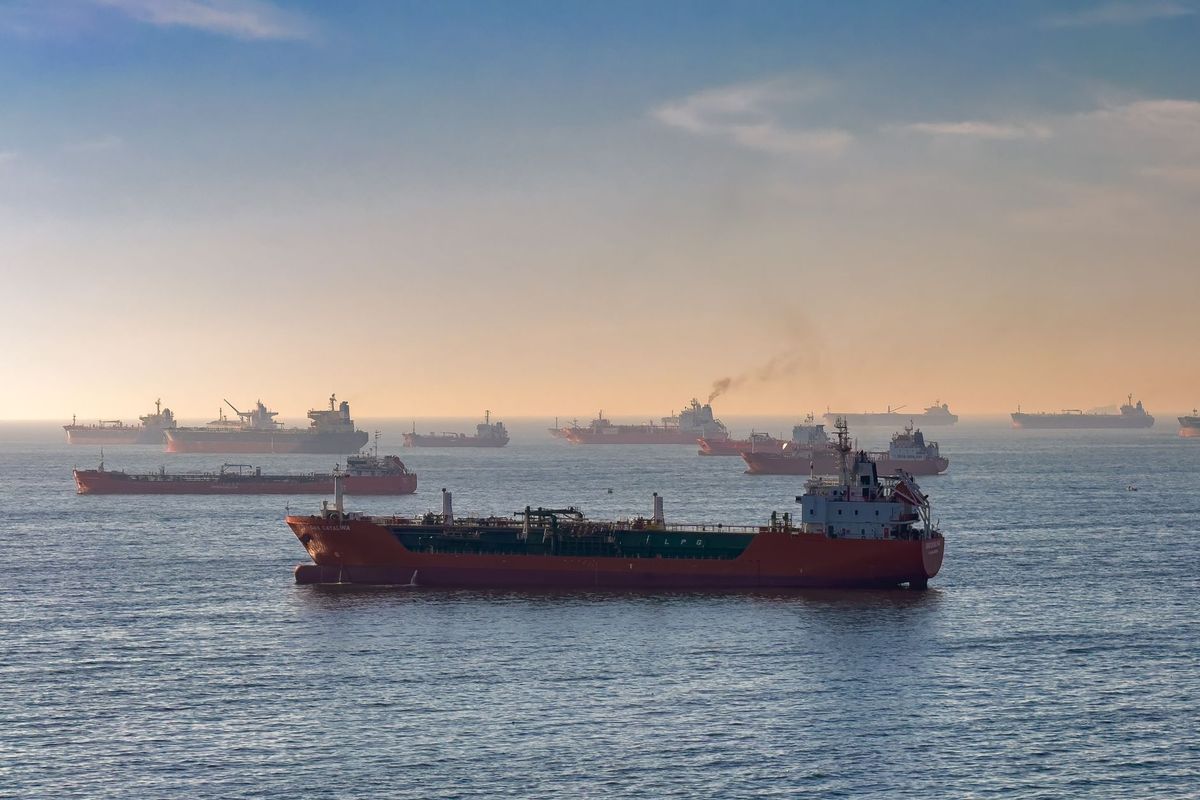
Tehran has issued a significant threat to halt all Middle East energy exports, a move reported by both The Guardian and ITVX. This development comes in response to the United States reimposing its blockade, escalating tensions in a strategically vital global waterway: the Strait of Hormuz. The warning from Iran underlines the volatile geopolitical climate surrounding the region’s critical energy infrastructure.
Background
The current escalation of tensions marks a renewed period of friction between Iran and the United States. According to The Guardian, the US blockade has prompted Tehran’s severe response, with Iran threatening to disrupt a significant portion of global energy supplies. The strategic importance of the Strait of Hormuz lies in its role as the sole sea passage from the Persian Gulf to the open ocean, making it a critical choke point for international oil shipments. This recent surge in rhetoric follows previous instances of heightened alert in the region, particularly around key maritime routes.
Iran’s Threat and US Blockade
On 15th July 2026, the Iranian capital, Tehran, explicitly threatened to halt all Middle East energy exports, as widely reported by sources including The Guardian and ITVX News. This forceful declaration was made in direct response to the US decision to reimpose its blockade, a measure that Washington justifies as a means to exert pressure on Iran. The implications of such a shutdown would be profound, given that a substantial volume of the world’s crude oil and liquefied natural gas passes through the Strait of Hormuz daily. This could have immediate and far-reaching effects on the global market, potentially leading to sharp increases in Oil Prices Amid Renewed US, Iran Strikes.
Strategic Manoeuvres and Regional Tensions
Further complicating the situation, The Guardian also noted a warning from the US about potential strikes on Iran’s power plants. Such a threat underscores the serious nature of the current stand-off. Meanwhile, the BBC has offered another perspective on the broader geopolitical landscape, reporting on a ‘Trump retreat over Hormuz tolls’, suggesting that the US President is ‘struggling to end Iran war’. This indicates the ongoing challenges and complexities faced by the administration in de-escalating the conflict with Iran. These developments collectively paint a picture of sustained high tension in the Middle East, with the Strait of Hormuz remaining a flashpoint.
FAQ
Here are some frequently asked questions regarding the Strait of Hormuz and recent developments:
- Q: What is the Strait of Hormuz?
- A: The Strait of Hormuz is a narrow, strategically vital waterway connecting the Persian Gulf to the Arabian Sea.
- Q: Why is the Strait of Hormuz so important?
- A: It is considered one of the world’s most critical maritime choke points, through which a significant portion of the Middle East’s energy exports, particularly oil, passes daily.
- Q: What has Iran threatened to do?
- A: Iran has threatened to halt all Middle East energy exports, which would significantly disrupt global oil and gas supplies.
- Q: Why is Iran making this threat now?
- A: This threat comes amid a renewed US blockade, which has intensified economic pressure and geopolitical tensions between the two nations, as reported by The Guardian and ITVX.
What this means for you
For residents of Manchester, Greater Manchester, and indeed the entire United Kingdom, events unfolding in the Strait of Hormuz carry tangible implications. As a crucial conduit for global energy, any disruption or halt to shipping through this strait could directly impact international oil prices. Such a rise in crude oil costs would likely translate to higher petrol pump prices, increased utility bills for homes and businesses, and a broader economic ripple effect across the UK. While the full extent of the current tensions’ impact is yet to materialise, staying informed about these international developments is key to understanding potential shifts in personal finances and the national economy. The intricate web of global politics means that distant events can have very real consequences at home.