
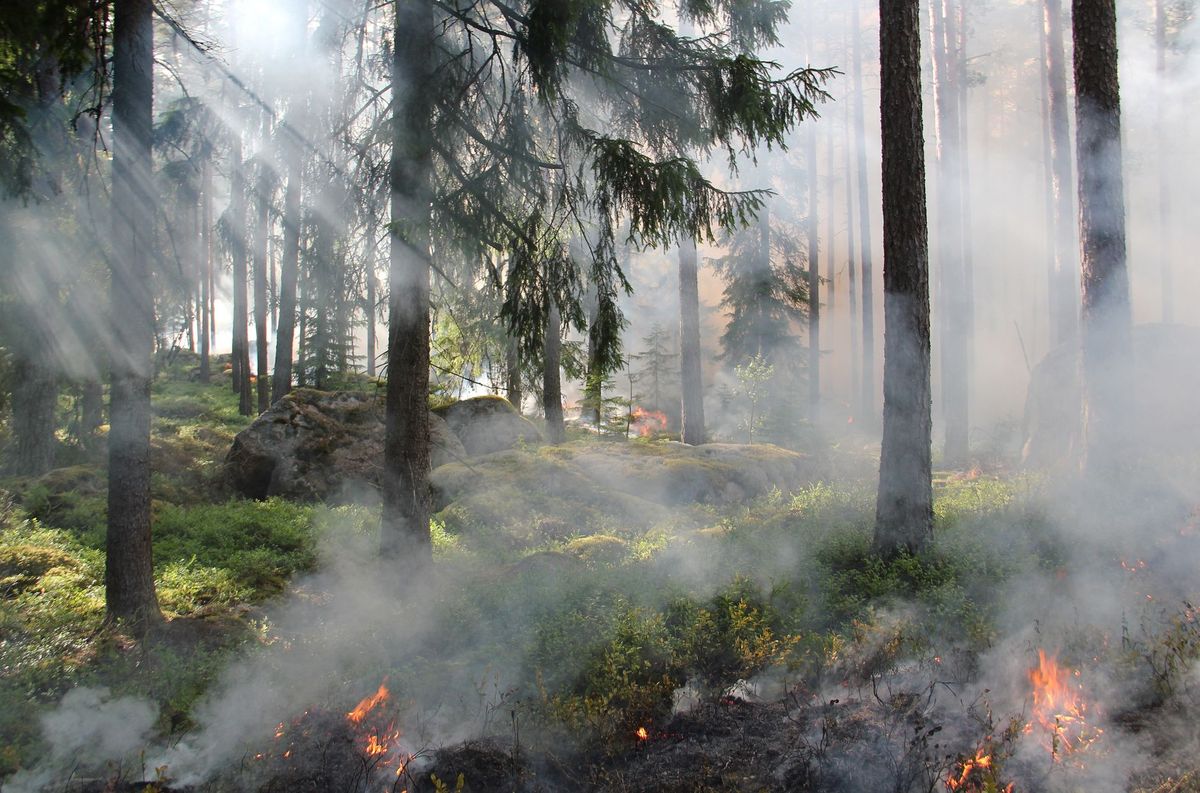
European wildfires have already incurred costs exceeding €3 billion this year, marking a significant financial burden amidst a summer characterised by extreme weather. This figure, reported by the Financial Times, highlights the escalating economic impact of these environmental crises across the continent.
The record-breaking costs coincide with global climate trends, including the world’s seas reaching their hottest temperature on record for July, according to scientists as reported by AOL.co.uk. This confluence of events underscores the urgent challenges posed by environmental shifts.
Background
The economic toll of wildfires extends beyond the immediate costs of firefighting and emergency response. Experts at the University of Reading have explained the broader economic impacts, which can include damage to infrastructure, loss of property, agricultural disruption, and long-term environmental degradation. These costs are amplified by the increasing frequency and intensity of such events.
Globally, climate patterns are showing significant changes. Scientists have noted that the world’s seas registered their highest ever recorded temperatures for the month of July. Such oceanic warming can have far-reaching effects on weather systems and contribute to drier conditions in landmasses, potentially exacerbating wildfire risks.
Soaring Costs Across Europe
The Financial Times reported that the financial cost of European wildfires this year has already surpassed €3 billion. This substantial sum represents the direct and indirect expenses incurred by nations battling the blazes, protecting communities, and dealing with the aftermath. The figure signals a growing trend of escalating costs associated with these environmental disasters.
Climate Impact and Global Warming
The severity of European wildfires is increasingly linked to broader climate patterns. Scientists, as reported by AOL.co.uk, have observed that the world’s seas reached their hottest temperature on record for July. These rising global temperatures contribute to conditions that make wildfires more likely to ignite and spread rapidly, such as prolonged droughts and heatwaves. The expert commentary from the University of Reading further illuminates the complex economic consequences arising from these environmental shifts.
As Manchester Pulse continues to cover significant global and national developments, including the ongoing discussions around climate, we also keep our readers informed about local cultural events such as the upcoming Prue Leith and Lemn Sissay Confirmed for 2026 Festival, highlighting the diverse news landscape important to our audience.
FAQ
-
What is the current estimated cost of European wildfires this year?
According to the Financial Times, the costs for European wildfires this year have already surpassed €3 billion.
-
What climate factor has been observed recently?
Scientists have reported that the world’s seas hit their hottest temperature on record for July, a detail highlighted by AOL.co.uk.
-
What are some economic costs of wildfires beyond immediate firefighting?
Experts from the University of Reading explain that the economic costs of wildfires can include damage to infrastructure, loss of property, agricultural disruption, and long-term environmental degradation, alongside the direct expenses of combating the fires.
What this means for you
For readers in Manchester, Greater Manchester, and across the UK, the escalating costs and climate impact of European wildfires underscore the interconnectedness of global environmental challenges. While these fires may seem geographically distant, the underlying climate factors, such as record sea temperatures, affect weather patterns globally and contribute to broader discussions on environmental policy and sustainability. The economic burden of such disasters also has wider implications, potentially influencing international markets and resource allocation. Understanding these developments is crucial for comprehending the global context in which local and national decisions are made, impacting future environmental strategies and community resilience.