
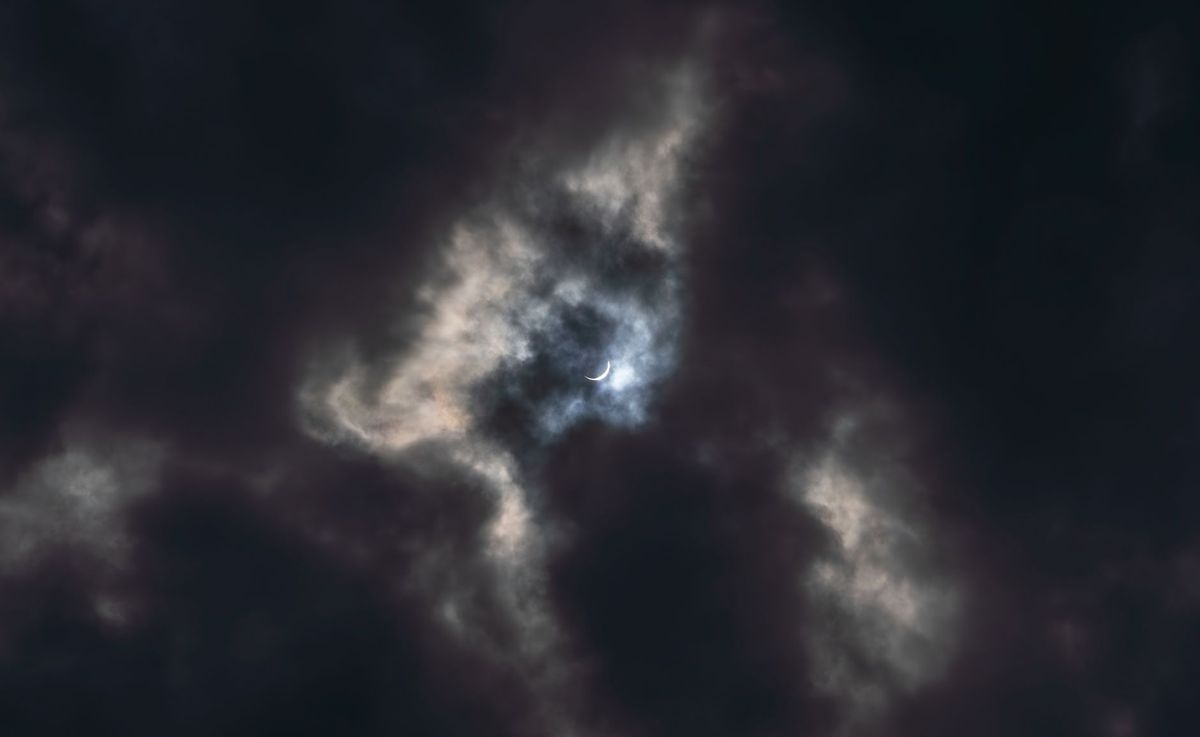
Europe is set to experience its first total solar eclipse in nearly three decades in 2026, an event anticipated by astronomers and the public alike. Described as a rare and beautiful sight, this celestial phenomenon is expected to draw considerable attention across the continent.
The upcoming total solar eclipse marks a significant astronomical occasion for Europe. According to Sky News, this will be the continent’s first total solar eclipse in almost 30 years. The rare event has been highlighted by BBC Sky at Night Magazine as a “sunset solar eclipse” that will be “like nothing you’ve ever seen,” urging people not to miss the “rare, beautiful sight.”
Background
A total solar eclipse occurs when the Moon passes directly between the Sun and Earth, completely blocking the face of the Sun. This alignment casts a shadow on Earth, leading to a temporary darkening of the sky in the path of totality. Such events are infrequent for any given location, and the 2026 eclipse represents a notable occurrence for the European continent.
The BBC Sky at Night Magazine underscores the unique nature of this particular event, characterising it as a “sunset solar eclipse.” This suggests that for many observers, the eclipse will coincide with the setting sun, potentially offering a particularly dramatic and visually striking experience.
Opportunities for Public Engagement
Beyond its visual spectacle, the 2026 solar eclipse is also presenting opportunities for public participation in scientific research. New Scientist has reported on “5 citizen science projects” that individuals can contribute to during the eclipse. These projects typically involve members of the public collecting data or making observations that can aid professional scientists in their studies of the Sun, Earth’s atmosphere, or the eclipse itself.
Such initiatives allow amateur astronomers and curious individuals to play an active role in scientific discovery, leveraging the widespread interest in the eclipse to gather valuable data from multiple locations. Engaging with these projects, as detailed by New Scientist, can enhance the experience of the eclipse, transforming it into a moment of collective scientific endeavour. For more information on how to get involved, the New Scientist article on citizen science projects for the 2026 eclipse provides further reading.
FAQ
- What is the 2026 eclipse?
The 2026 eclipse will be Europe’s first total solar eclipse in almost 30 years, according to Sky News. - Why is it significant?
It is described by BBC Sky at Night Magazine as a “sunset solar eclipse” and a “rare, beautiful sight” unlike anything previously seen. - Can the public get involved in scientific research during the eclipse?
Yes, New Scientist has reported on “5 citizen science projects” that individuals can contribute to. - What kind of citizen science projects are available?
While specific project details are not provided in the source material, these typically involve members of the public collecting data or making observations related to the eclipse.
What this means for you
For residents of Manchester, Greater Manchester, and the wider UK, the 2026 total solar eclipse presents a significant astronomical event, even if the path of totality might not directly cross British shores (information not specified in sources). The sheer rarity of “Europe’s first total solar eclipse in almost 30 years,” as noted by Sky News, makes it a noteworthy occasion across the continent.
While details on the precise visibility for different parts of the UK are not given in the available information, the event itself underscores the dynamic nature of our solar system. The description of it as a “sunset solar eclipse” and a “rare, beautiful sight you won’t want to miss,” by BBC Sky at Night Magazine, suggests that many will be keen to witness some form of the phenomenon, whether in person within the path of totality or through media coverage.
Keeping an eye on further announcements from reputable sources, such as Sky News, whose article on what you need to know about the eclipse is a good starting point, will be key to understanding local visibility and observing opportunities. For those interested in a deeper engagement, participating in citizen science projects, as highlighted by New Scientist, offers a unique way to contribute to scientific understanding while experiencing this rare celestial display.