
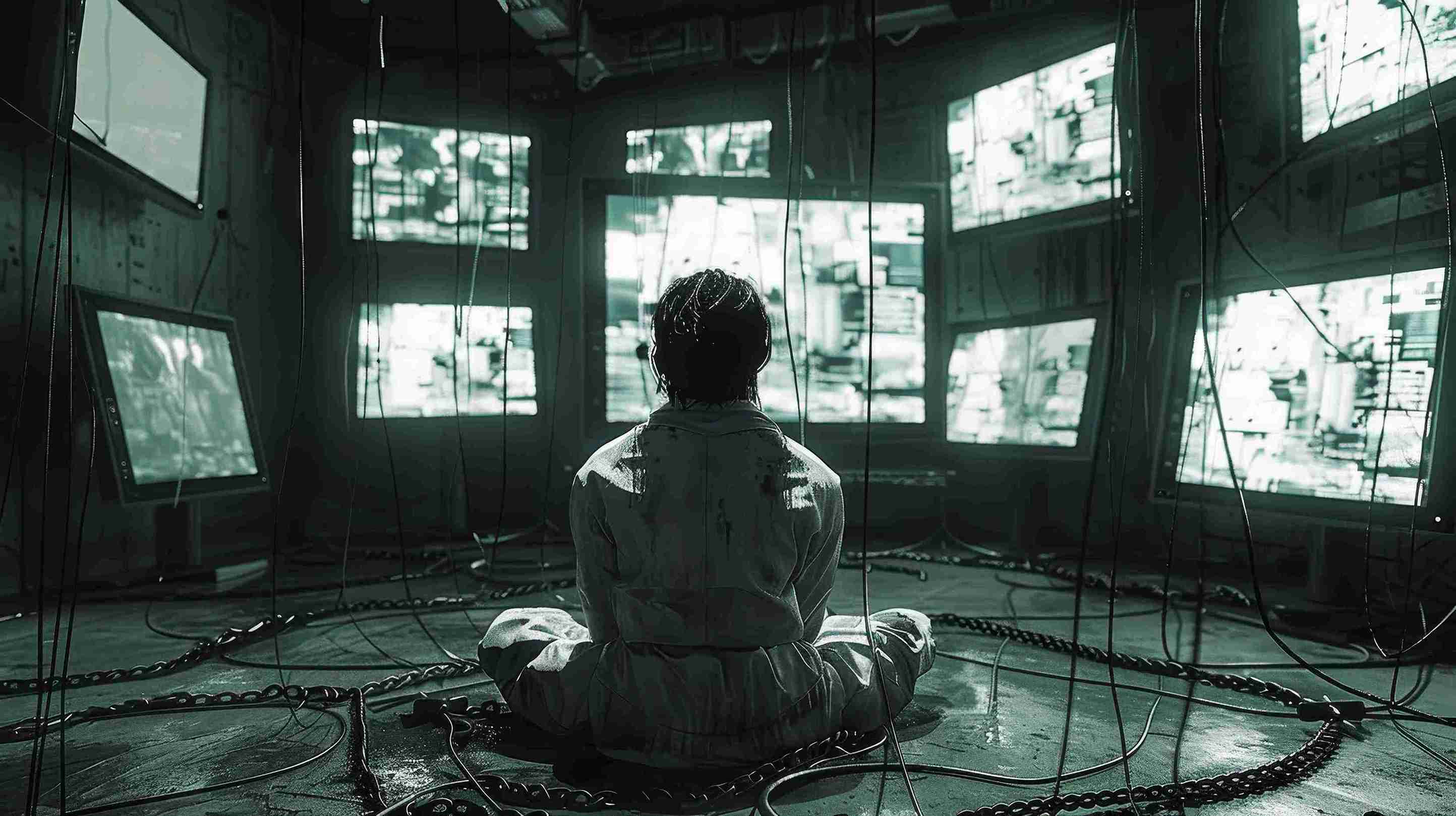
Netflix’s Stranger Things has captivated audiences worldwide with its supernatural thrills, nostalgic 1980s references, and compelling character arcs. While the show is widely celebrated for its sci-fi elements and suspenseful storytelling, it also explores deeper themes, including conformity, authority, and societal control, often referred to by fans and critics as the “Conformity Gate.” This concept highlights the tension between individual agency and collective pressure, providing a thought-provoking layer beneath the series’ thrilling surface.
The term “Conformity Gate” in Stranger Things is used to describe situations where characters face social, institutional, or peer pressure that demands obedience or compliance. From the secretive Hawkins National Laboratory to school hierarchies and small-town dynamics, the series frequently presents scenarios where conformity is enforced, whether through intimidation, manipulation, or fear of isolation.
This theme resonates beyond the show’s fictional setting, reflecting real-world dynamics where individuals navigate social expectations, authority, and group behavior. By integrating these ideas, Stranger Things becomes more than just entertainment—it serves as a cultural commentary on societal pressures.
Hawkins, Indiana, functions as a microcosm for examining conformity. The Hawkins National Laboratory epitomizes institutional control, where characters like Dr. Brenner impose rigid rules and suppress dissent. Eleven’s journey highlights the struggle against enforced conformity, as she resists manipulation, secrecy, and the expectation to serve as a tool for others’ objectives.
The laboratory setting demonstrates how authority figures can exploit fear and information asymmetry to maintain control. Characters who challenge these norms, such as Eleven, Mike, and their friends, embody the tension between individual moral choice and societal or institutional expectation.
Conformity in Stranger Things extends beyond adult authority to the peer group. Adolescents like Mike, Dustin, Lucas, and Will navigate the pressures of friendship, loyalty, and social acceptance. For example, group dynamics frequently create implicit rules about behavior, risk-taking, and secrecy, which can both protect and endanger characters.
Episodes often depict characters questioning whether to follow group consensus or assert independent judgment. These moments provide insight into real-life adolescent psychology, emphasizing the challenges of resisting peer pressure while maintaining personal integrity.
The series delves into psychological aspects of conformity, illustrating how fear, uncertainty, and desire for acceptance influence decision-making. Hawkins’ townspeople, for instance, often ignore anomalies or unusual occurrences due to social norms and disbelief. This collective conformity results in delayed responses to threats, demonstrating how social pressures can inhibit critical thinking.
Characters like Jonathan and Nancy exemplify the struggle to resist passive conformity, highlighting the courage required to challenge both societal norms and institutional authority. Their actions serve as case studies in moral resilience and ethical decision-making under pressure.
Stranger Things also emphasizes rebellion against conformity as a catalyst for narrative progression. Characters who defy expectations, such as Eleven’s refusal to be controlled by Dr. Brenner or the kids’ determination to expose Hawkins Lab’s secrets, demonstrate the transformative power of resisting societal pressures.
These acts of resistance are crucial in shaping the story and character development. By challenging conformity, the characters assert agency, uncover hidden truths, and ultimately influence the broader community. The series suggests that breaking from conformity is both necessary and fraught with risk, reflecting real-world dynamics.
Set in the 1980s, Stranger Things reflects historical and cultural tensions surrounding authority, social norms, and rebellion. The series incorporates elements reminiscent of Cold War-era paranoia, government secrecy, and societal expectations of the time. The “Conformity Gate” is thus not only a narrative device but also a reflection of broader historical anxieties.
By grounding supernatural events within a realistic social environment, the show illustrates how conformity and resistance coexist, highlighting the interplay between personal choice and external pressures in shaping outcomes.
Fans and academics have analyzed the “Conformity Gate” as a metaphor for societal control, suggesting that the Hawkins narrative mirrors issues such as censorship, institutional authority, and groupthink. Online discussions explore how characters’ struggles against enforced conformity parallel real-life scenarios in schools, workplaces, and governments.
Scholars have also examined how Stranger Things uses genre conventions—sci-fi, horror, and adventure—to explore moral and psychological dilemmas, demonstrating that entertainment media can serve as a vehicle for social critique.
The exploration of conformity resonates with viewers by highlighting relatable social challenges. Many fans identify with characters who face pressure to conform, navigate authority, or assert personal beliefs in the face of collective expectations. These narratives inspire discussions about individuality, ethical courage, and resistance to unjust authority.
Moreover, the show encourages audiences to critically evaluate societal norms and reflect on how conformity shapes behavior in their own communities. By engaging viewers in these deeper themes, Stranger Things transcends its role as mere entertainment.
Director and cinematographer choices enhance the theme of conformity through visual storytelling. Constrained spaces, symmetrical compositions, and controlled lighting in laboratory or institutional scenes reinforce feelings of restriction and pressure. Conversely, scenes depicting rebellion, exploration, or freedom often feature open spaces, dynamic camera angles, and vibrant colors.
These visual cues reinforce the narrative tension between control and autonomy, subtly conveying the psychological weight of conformity on characters.