
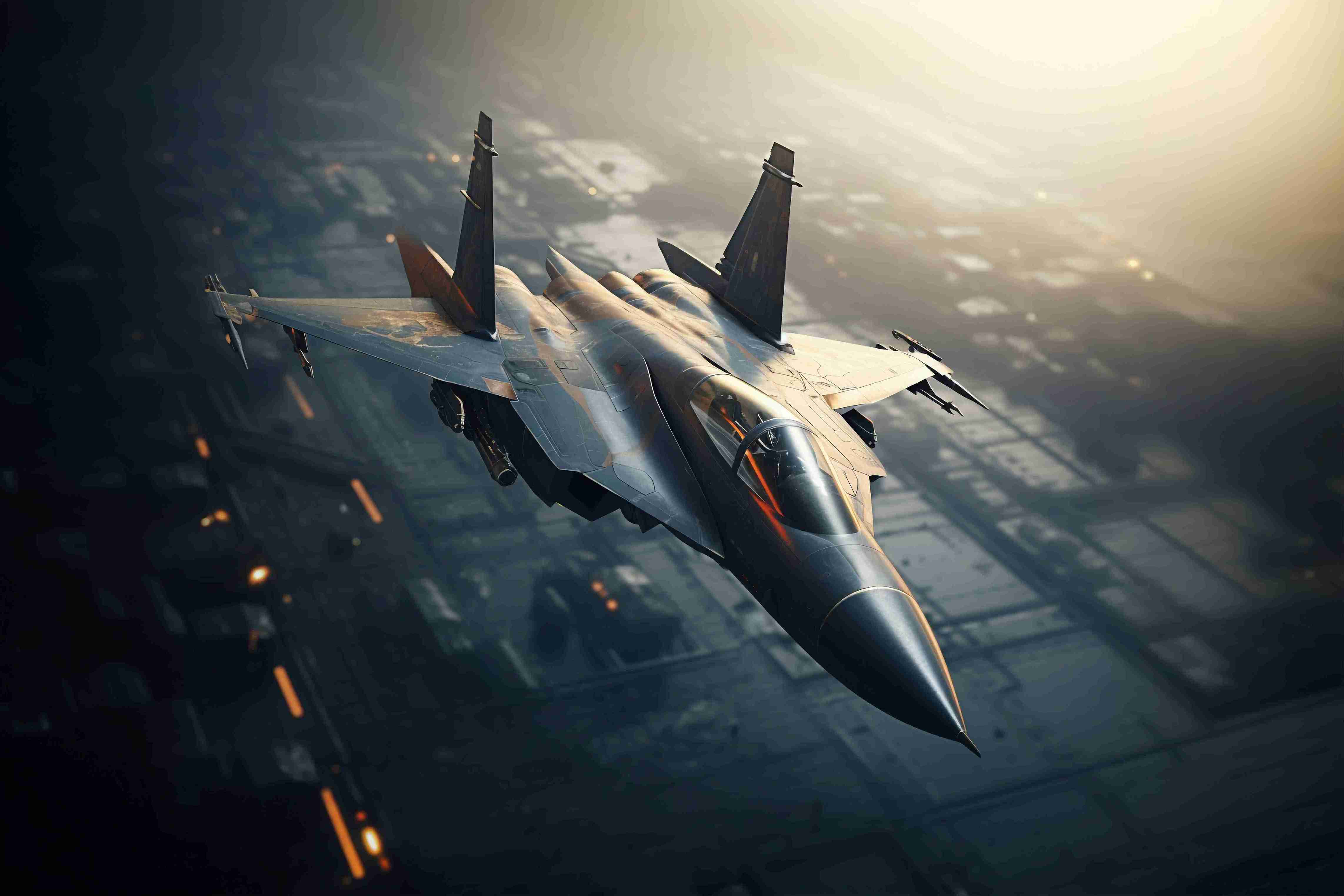
Headlines reporting that “NATO warplanes were scrambled” often spark concern and confusion among the public. The phrase suggests urgency, military readiness, and potential confrontation, but it does not always indicate an imminent conflict. In reality, scrambling NATO warplanes is a routine yet critical defensive action designed to protect airspace, deter threats, and maintain regional stability. Understanding what this action means helps put global security developments into clearer perspective.
When NATO warplanes are scrambled, it means fighter jets are launched on short notice to intercept, identify, or monitor unidentified or potentially hostile aircraft. This rapid response is a core part of air defense operations. Scrambling does not automatically imply aggression; it is often a precautionary measure to ensure the safety and sovereignty of NATO member states’ airspace.
NATO scrambles aircraft for several reasons, the most common being unidentified aircraft approaching or entering NATO-controlled airspace without proper communication. This may include military jets flying without transponders, aircraft failing to respond to air traffic control, or planes conducting surveillance near NATO borders. In some cases, scrambled jets escort civilian aircraft experiencing emergencies to ensure safe landings.
One frequent trigger involves military aircraft from non-NATO countries, particularly those flying close to NATO borders. These aircraft may not violate airspace but still raise concerns due to their proximity and lack of communication. Scrambles are also triggered by airspace violations, training exercises that simulate real threats, or intelligence indicating potential risks. Each response is carefully calibrated to avoid escalation while maintaining readiness.
Air policing is a standing NATO mission designed to safeguard the airspace of all member states. Countries with limited air defense capabilities rely on allied nations to patrol their skies. NATO warplanes are routinely scrambled as part of this mission, especially in regions such as the Baltic States, Eastern Europe, and the Black Sea area. These operations demonstrate NATO’s collective defense commitment.
Highly trained pilots and advanced fighter jets play a crucial role in scramble missions. Aircraft such as the F-16, Eurofighter Typhoon, and F-35 are commonly deployed due to their speed, maneuverability, and advanced detection systems. Pilots are trained to identify aircraft visually, establish communication, and escort or shadow them until the situation is resolved.
Reports of NATO warplanes being scrambled often occur during periods of heightened geopolitical tension. Increased military activity near NATO borders can signal strategic messaging or testing of response times. While these encounters rarely escalate into direct conflict, they reflect broader power dynamics and the importance of deterrence in international relations.
Media headlines can sometimes make scrambling sound more dramatic than it is. In military terms, scrambles are a routine aspect of air defense readiness. However, the frequency of these incidents can be an indicator of rising tensions or increased military activity. NATO carefully communicates these actions to reassure the public while maintaining transparency.
Although primarily a military action, scrambling warplanes can intersect with civilian aviation. In rare cases, commercial flights may be escorted if communication is lost or security concerns arise. These actions prioritize passenger safety and are coordinated closely with civil aviation authorities to minimize disruption.
Scramble missions operate within international law and established aviation protocols. Interceptions are conducted professionally, with strict rules of engagement designed to prevent misunderstandings. NATO emphasizes restraint, ensuring that encounters remain safe and controlled, even in tense situations.
Scrambling warplanes reinforces NATO’s credibility as a defensive alliance. It demonstrates preparedness, unity, and the ability to respond quickly to potential threats. For member states, these actions provide reassurance that their airspace is protected and that collective defense commitments are actively upheld.
As technology advances, NATO’s air defense strategies continue to evolve. Enhanced radar systems, satellite monitoring, and artificial intelligence are improving early detection and response times. Despite these advancements, the fundamental practice of scrambling warplanes remains essential in maintaining airspace security and deterring potential threats.