
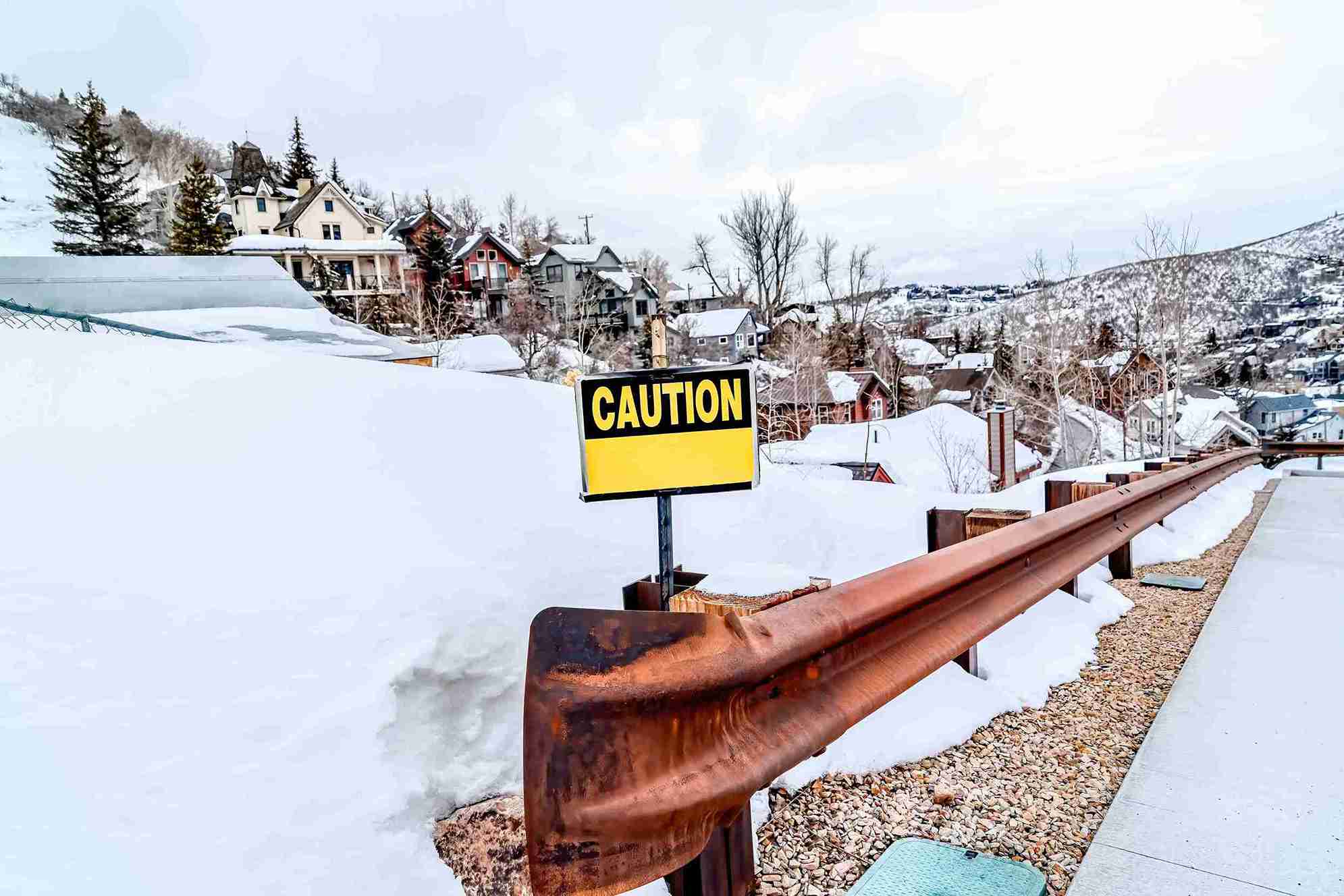
Snow weather forecasts are among the most closely followed updates in the UK, especially during winter months when travel, work, and daily routines can be disrupted. The Met Office snow weather forecast plays a crucial role in helping the public, businesses, and authorities prepare for severe winter conditions. From light snowfall to major snowstorms, accurate forecasting can make a significant difference in safety and planning. This article explores how the Met Office predicts snow, what the latest forecasts usually indicate, and how to stay prepared during snowy conditions.
The Met Office is the United Kingdom’s national weather service and one of the most respected meteorological organizations in the world. It provides weather forecasts, warnings, and climate data using advanced technology and scientific research. When it comes to snow weather forecasts, the Met Office is the primary and most trusted source for accurate, timely information across the UK.
Its forecasts help local councils prepare gritting schedules, airlines manage flight plans, and individuals make informed travel and safety decisions.
Snow forecasting is complex and involves more than simply predicting cold temperatures. The Met Office uses high-resolution weather models that analyze air pressure, temperature, humidity, wind patterns, and precipitation.
Snow occurs when atmospheric conditions allow moisture to freeze before reaching the ground. Even small temperature changes can turn rain into snow or sleet. This is why Met Office snow forecasts are updated frequently, especially during unsettled winter weather.
The Met Office issues color-coded weather warnings to communicate the severity of expected conditions. These warnings help the public understand the level of risk associated with snow and ice.
Yellow warnings indicate possible travel disruption and slippery conditions. Amber warnings signal a higher likelihood of significant disruption, including road closures and power outages. Red warnings are rare but represent dangerous conditions with a serious risk to life.
Knowing how to interpret these warnings is essential for staying safe during snowy weather.
Snowfall in the UK varies greatly by region. Higher ground areas such as Scotland, northern England, and parts of Wales are more prone to snow, while southern and coastal regions experience it less frequently.
The Met Office snow weather forecast provides region-specific updates, helping people understand what to expect in their local area. Urban areas may see lighter snowfall, while rural and elevated regions often experience heavier and longer-lasting snow.
Short-term snow forecasts, typically covering the next 24 to 72 hours, are usually more accurate. These forecasts are critical for immediate planning, such as commuting or school closures.
Long-term forecasts look further ahead and focus on trends rather than exact snowfall amounts. While they offer useful guidance, they are subject to change as weather systems develop. The Met Office regularly updates these forecasts to reflect the latest data.
Snow can have a major impact on roads, rail services, and airports. Even light snowfall can cause delays and accidents, especially if temperatures drop below freezing. The Met Office snow forecast helps transport authorities prepare in advance by deploying gritters and adjusting schedules.
For individuals, staying informed allows better planning, whether it means working from home, leaving earlier for journeys, or avoiding unnecessary travel altogether.
Preparation is key when snow is forecast. Keeping an emergency kit at home, ensuring vehicles are winter-ready, and staying informed through reliable updates can reduce risks.
The Met Office recommends checking forecasts regularly, particularly during periods of changing weather. Simple precautions such as wearing appropriate footwear and clearing paths safely can also help prevent injuries.
Climate change is influencing snowfall patterns across the UK. While overall winters may become milder, extreme weather events, including heavy snowfall, can still occur.
The Met Office continues to study these changes, improving its forecasting models to account for evolving climate conditions. Understanding these trends helps policymakers and the public adapt to future winter weather challenges.
The Met Office offers a range of tools, including mobile apps, detailed online forecasts, and real-time warnings. These resources allow users to track snow forecasts hour by hour and receive alerts for their specific location.
Using official tools ensures access to the most accurate and up-to-date snow weather information available.
Accurate snow weather forecasts help protect lives, reduce economic disruption, and support emergency services. From planning school closures to ensuring hospitals and utilities remain operational, reliable forecasts are essential during winter weather events.
The Met Office’s ongoing investment in technology and research ensures that snow forecasts continue to improve in accuracy and reliability.