
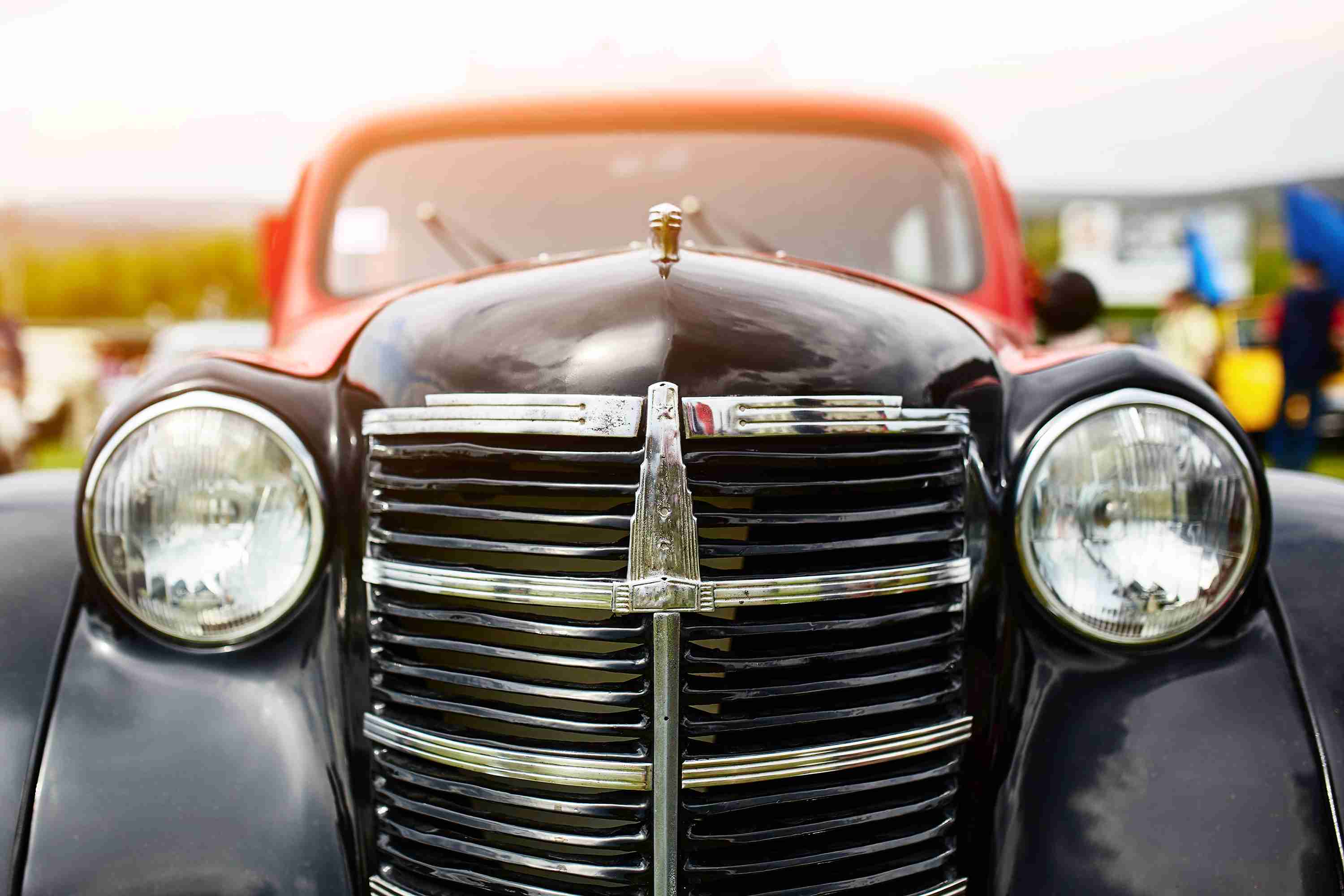
When people hear the name Morgan, they often think of classic British sports cars with long bonnets, exposed wheels and unmistakable charm. The Morgan Motor Company is one of the most distinctive automotive manufacturers in the world, blending traditional craftsmanship with modern engineering. Founded over a century ago, Morgan remains proudly independent and continues to build cars that celebrate driving as an experience rather than simply a means of transport.
Morgan Motor Company was founded in 1909 by Henry Frederick Stanley Morgan in Malvern, Worcestershire. Originally established to build lightweight, affordable vehicles, Morgan quickly gained a reputation for innovation. The company’s first success came with the three-wheeled Morgan Runabout, which offered impressive performance and reliability at a time when motoring was still in its infancy.
These early vehicles helped define Morgan’s philosophy of simplicity, low weight and driver engagement, principles that still underpin the brand today.
What truly sets Morgan apart is its commitment to traditional manufacturing methods. Even in the modern era, many Morgan cars are built using ash wood frames, a technique that dates back to the company’s earliest days. Skilled craftsmen shape and assemble each component by hand, ensuring that no two cars are exactly alike.
This handcrafted approach is rare in today’s mass-produced automotive industry and is a major reason why Morgan has such a devoted global following.
Morgan’s design language has remained remarkably consistent over the decades. The long bonnet, sweeping wings and open cockpit evoke the golden age of motoring. While other manufacturers have chased trends, Morgan has stayed true to its roots, offering vehicles that feel timeless rather than dated.
Models such as the Morgan Plus Four and Plus Six maintain the brand’s classic appearance while subtly incorporating modern touches to meet contemporary expectations.
Despite their vintage looks, modern Morgan cars are far from old-fashioned. Underneath the classic bodywork lies advanced engineering, including aluminium chassis technology and modern suspension systems. Morgan has also partnered with established engine suppliers, including BMW, to ensure strong performance, reliability and compliance with modern emissions standards.
This balance between tradition and innovation allows Morgan to deliver a driving experience that feels both nostalgic and thoroughly modern.
Driving a Morgan is often described as raw, engaging and deeply rewarding. With lightweight construction and responsive handling, Morgan cars offer a direct connection between driver and road. There are fewer electronic aids than in most modern vehicles, which places greater emphasis on driver skill and involvement.
For enthusiasts who value the joy of driving over convenience features, Morgan represents a refreshing alternative to contemporary sports cars.
Morgan holds a special place in British motoring history. Alongside marques such as Jaguar, Aston Martin and Bentley, Morgan represents a uniquely British approach to car manufacturing. The company’s continued presence in Malvern, where cars are still built by hand, reinforces its deep connection to British heritage and craftsmanship.
Morgan vehicles have also appeared in films, television programmes and motorsport, further cementing their cultural significance.
In recent years, Morgan has taken steps to ensure its long-term sustainability. The introduction of lightweight aluminium platforms has reduced emissions and improved efficiency. Morgan has also explored electric concepts, demonstrating a willingness to adapt while remaining true to its identity.
Rather than pursuing full-scale mass production, Morgan focuses on limited volumes and bespoke builds, which supports sustainability through longevity and reduced waste.
Although Morgan is a small manufacturer, its appeal is truly global. Customers from Europe, North America and Asia are drawn to the brand’s authenticity and craftsmanship. One of Morgan’s key strengths is customisation, allowing buyers to choose colours, materials and finishes that reflect their personal tastes.
This bespoke approach turns each Morgan into a personal statement, rather than just another car on the road. In a world increasingly dominated by automation, digital interfaces and uniform design, Morgan stands out as a reminder of what motoring once was. The brand appeals to those who appreciate craftsmanship, mechanical honesty and the emotional connection between driver and machine.
Morgan’s continued success shows that there is still a place for tradition, individuality and passion in the automotive industry.