
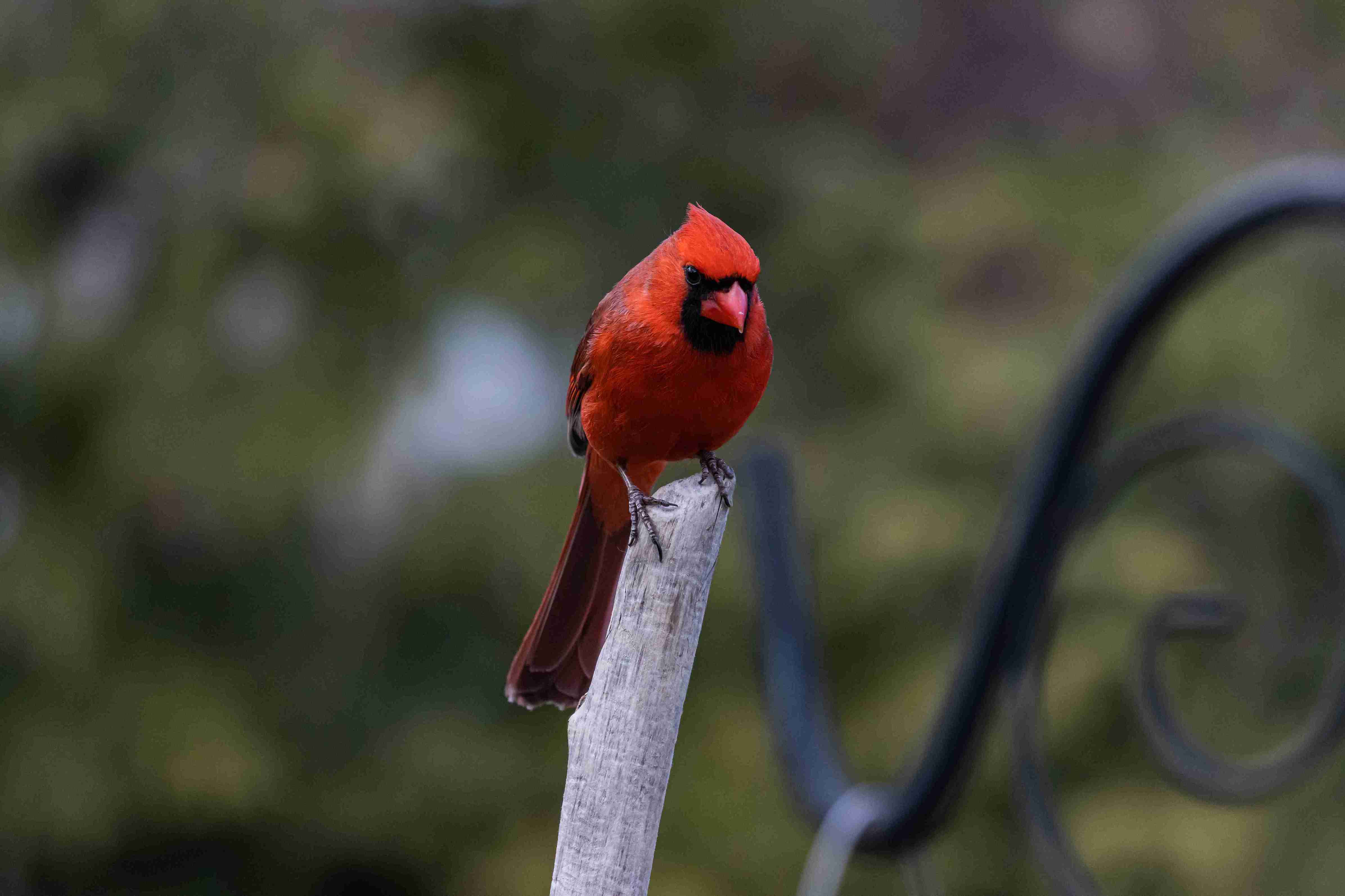
Cardinals are among the most recognizable and beloved birds in North America, known for their vibrant red plumage and melodic songs. They are symbols of vitality, energy, and beauty in nature, often inspiring birdwatchers, photographers, and nature enthusiasts alike. Cardinals belong to the family Cardinalidae and are primarily found in forests, gardens, and shrublands across the eastern and central United States. Their striking appearance, combined with fascinating behaviors, makes them a popular subject for study and observation. Understanding the cardinal’s habitat, behavior, diet, and conservation needs is essential for anyone interested in these charismatic birds.
The Northern Cardinal, which is the most common species, exhibits significant sexual dimorphism. Males are bright red with a black mask around the face, while females are a warm brown with subtle red accents on the wings, tail, and crest. Both genders have a distinct crest on their heads and a strong, conical orange beak adapted for cracking seeds. Adult cardinals typically measure between 8.3 and 9.1 inches in length, with a wingspan of approximately 10 to 12 inches. Juvenile cardinals resemble females in coloration but gradually acquire adult plumage as they mature. Their unique coloration and markings make them easy to identify, even for novice birdwatchers.
Cardinals are highly adaptable birds and can thrive in a variety of habitats. They prefer areas with dense shrubs, thickets, and forest edges, which provide ample cover and nesting opportunities. Suburban gardens and parks with trees and feeders also attract cardinals, making them familiar visitors to residential areas. Their geographic range extends from southern Canada through the United States and into Mexico, Central America, and parts of northern South America. Cardinals are non-migratory birds, meaning they typically remain in the same region year-round. This allows for consistent observation of their behaviors across seasons.
Cardinals are primarily seed eaters, but their diet is diverse and includes fruits, insects, and occasionally small invertebrates. Common seeds consumed by cardinals include sunflower, safflower, and millet. During the breeding season, their protein needs increase, leading them to consume more insects such as beetles, caterpillars, and grasshoppers. They have strong beaks capable of cracking hard seeds, which is a key adaptation for their diet. Cardinals also feed on berries, including dogwood, mulberry, and holly, which provide essential nutrients during winter months when insects are scarce. Their feeding habits not only support their survival but also contribute to seed dispersal in their ecosystems.
Cardinals are known for their territorial behavior, especially during the breeding season. Males vigorously defend their territories with songs, visual displays, and physical confrontations with intruders. Their melodious whistles and varied calls serve both as a warning to rivals and a means to attract mates. Cardinals are generally monogamous, forming strong pair bonds that can last multiple breeding seasons. Nesting typically occurs in dense shrubs or small trees, where the female builds a cup-shaped nest using twigs, grasses, and leaves. Both parents participate in feeding and protecting the chicks, which fledge after about 9 to 11 days. Outside of the breeding season, cardinals may form small flocks, particularly during winter, to forage for food collectively.
The cardinal’s breeding season begins in early spring, triggered by increasing daylight and food availability. Males perform courtship displays, including feeding the female and singing, to strengthen pair bonds. Females lay 2 to 5 eggs per clutch, which are pale blue or green with brown speckles. The incubation period lasts about 12 to 13 days, and the female primarily incubates the eggs while the male provides food. After hatching, both parents feed the nestlings, which grow rapidly and leave the nest within two weeks. Cardinals can raise two to three broods per year, depending on environmental conditions. Understanding their reproductive cycle helps birdwatchers and conservationists support habitat protection and species monitoring efforts.
Cardinals are renowned for their vocal abilities. Males sing a variety of clear, whistling phrases that can be heard throughout their territories. These songs serve multiple purposes: establishing territory, deterring rivals, and attracting mates. Females also vocalize, producing short calls and chips to communicate with their partners and offspring. Research shows that cardinal songs vary regionally, with distinct “dialects” forming in different populations. This diversity in vocalization provides insight into social behaviors, territorial dynamics, and population structure within the species.
Currently, the Northern Cardinal is classified as Least Concern by the International Union for Conservation of Nature (IUCN), reflecting its wide distribution and stable population trends. However, local threats such as habitat loss, window collisions, predation by domestic cats, and exposure to pesticides can impact populations. Conservation efforts include protecting natural habitats, maintaining native vegetation, and providing bird feeders with appropriate seeds. Encouraging responsible gardening and minimizing pesticide use can also benefit cardinals and other bird species that share their environment.
Bird enthusiasts can attract cardinals to gardens and feeders by providing food, water, and shelter. Seed types such as sunflower, safflower, and cracked corn are particularly effective. Planting native shrubs, trees, and berry-producing plants creates a safe environment for nesting and foraging. Providing fresh water in birdbaths or small ponds encourages regular visits. Observers should maintain a respectful distance to avoid disturbing nesting birds, as stress can negatively impact reproductive success. Consistent observation allows enthusiasts to appreciate cardinals’ behavior, mating rituals, and interactions within their territories.