
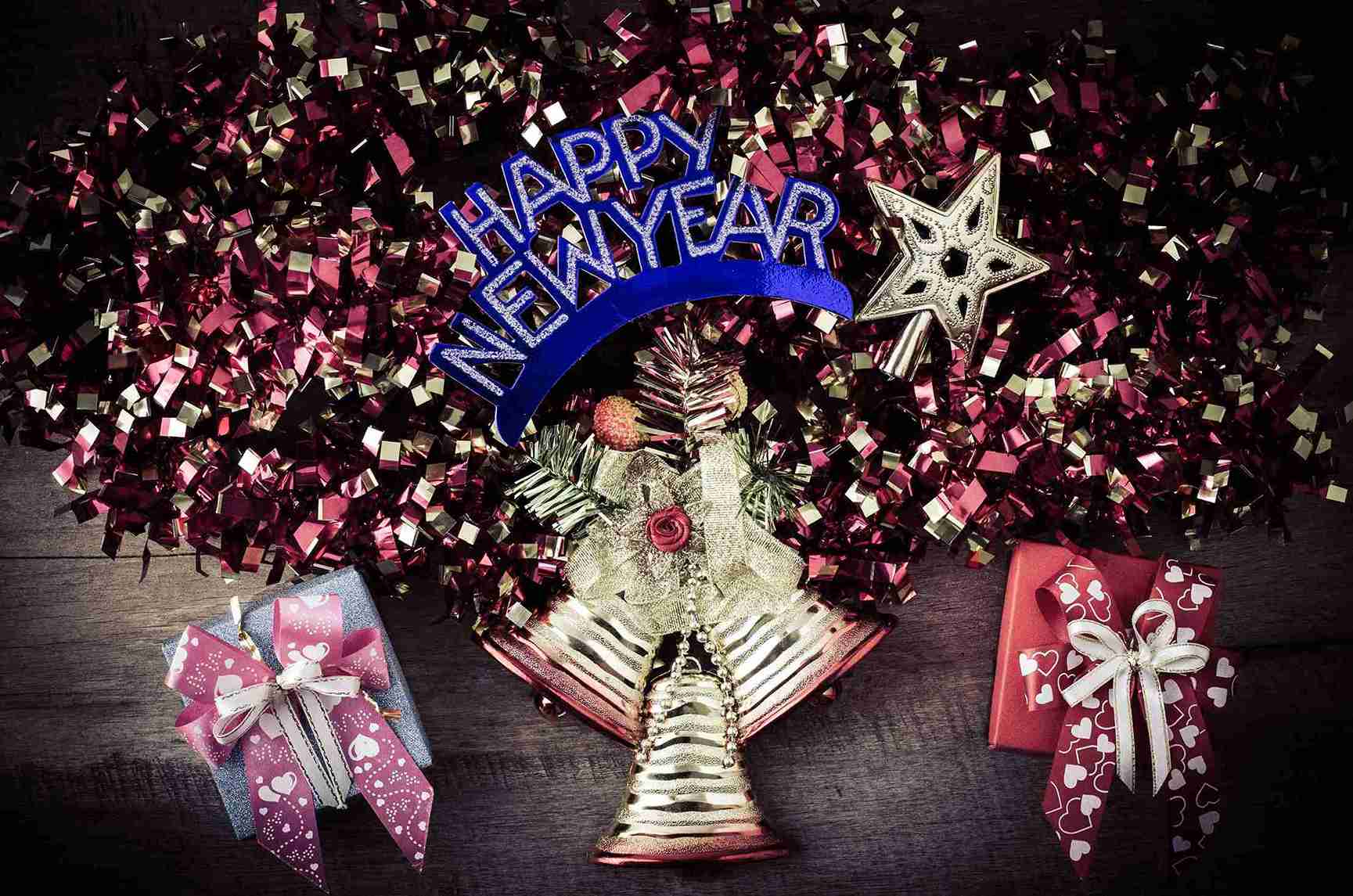
New Year’s Eve is one of the most universally celebrated nights of the year, marking the transition from the old year into a new one filled with hope, goals, and fresh opportunities. Observed on December 31, this special evening brings together people of all cultures, religions, and backgrounds in a shared moment of reflection and celebration. Whether through grand fireworks displays, quiet family gatherings, or lively parties with friends, New Year’s Eve symbolizes closure, renewal, and anticipation for what lies ahead.
The concept of celebrating the end of the year dates back thousands of years. Ancient civilizations such as the Babylonians were among the first to mark the new year with festivals, rituals, and promises to the gods. Over time, calendars evolved, and January 1 became widely accepted as the start of the new year following the introduction of the Gregorian calendar. New Year’s Eve gradually developed into a global event, blending historical customs with modern traditions to create the celebrations we recognize today.
New Year’s Eve holds deep cultural meaning in many societies. In Western countries, the night is often associated with parties, countdowns, and fireworks. In other regions, traditions may focus on spiritual cleansing, family unity, or symbolic acts meant to attract good fortune. Despite differences in customs, the core idea remains the same everywhere: saying goodbye to the past year while welcoming the future with optimism and positivity. This shared symbolism is what makes New Year’s Eve such a powerful global event.
Many New Year’s Eve traditions are rooted in symbolism. Countdown celebrations leading up to midnight represent the final moments of the old year, while fireworks symbolize joy, hope, and the driving away of negativity. In some cultures, people clean their homes to remove bad luck, while others eat specific foods believed to bring prosperity. Writing resolutions is another common tradition, allowing individuals to set personal goals and intentions for the year ahead. These rituals give the evening emotional depth beyond simple celebration.
New Year’s Eve is celebrated differently depending on location, making it a fascinating global event. In major cities, iconic landmarks become the centerpiece of massive celebrations watched by millions. In smaller communities, traditions may be more intimate, focusing on family meals or religious observances. Time zones add another layer of excitement, as countries welcome the new year at different moments, creating a rolling wave of celebrations across the globe. This worldwide progression highlights the universal appeal of the occasion.
In the modern era, New Year’s Eve has become a major entertainment event. Concerts, televised countdowns, and themed parties dominate the night. Music, dancing, and festive attire contribute to the celebratory atmosphere. Many people choose to attend events at restaurants, clubs, or public venues, while others prefer staying home to enjoy the moment with loved ones. Social media has also transformed how the night is experienced, allowing people to share their celebrations instantly with friends and family worldwide.
Food plays a central role in many New Year’s Eve celebrations. Special meals, desserts, and traditional dishes are often prepared to mark the occasion. Champagne and sparkling drinks have become symbols of celebration, especially during the midnight toast. In some cultures, specific foods are eaten for luck, wealth, or happiness. These culinary traditions enhance the sense of celebration and bring people together around the table as they welcome the new year.
Beyond parties and fireworks, New Year’s Eve is an emotional moment for many people. It encourages reflection on the year that has passed, including achievements, challenges, and personal growth. For some, it is a joyful celebration of progress and success. For others, it may bring feelings of nostalgia or introspection. This emotional balance between closure and hope is what gives New Year’s Eve its unique and lasting significance.
One of the most enduring aspects of New Year’s Eve is the tradition of setting resolutions. These commitments often focus on self-improvement, health, relationships, or career goals. While not all resolutions are kept, the act of setting them reflects a desire for growth and positive change. New Year’s Eve serves as a symbolic reset, motivating individuals to approach the coming year with renewed determination and clarity.