
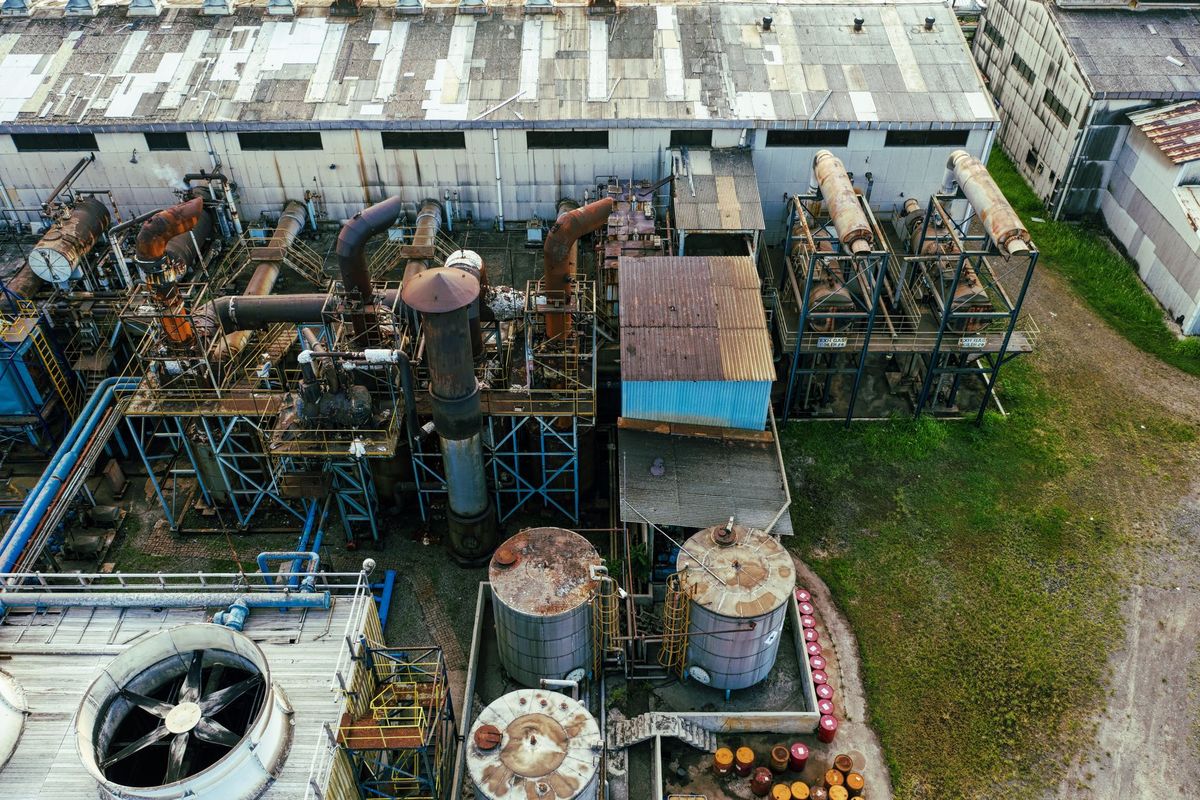
US President Donald Trump claimed on September 14 that Ukraine and Russia had agreed to halt attacks on each other’s energy infrastructure. However, reports immediately followed detailing continued aerial strikes by both sides, and Ukrainian President Volodymyr Zelensky clarified that Ukraine had proposed a mutual halt, contingent on partner guarantees.
Trump’s Initial Statement and Blame
President Trump’s statement came after he had publicly blamed Ukrainian President Volodymyr Zelensky for high diesel prices globally, urging him to stop striking Russian diesel fuel sites. This position, stated on Sunday (September 13), followed less than a year after the US had reportedly increased intelligence sharing with Ukraine to target Russian energy sites when oil prices were low, according to CNN.
Analysts suggest that Russia’s decision to ban exports, removing 800,000 barrels per day of diesel from the market, and the closure of the Strait of Hormuz, affecting 1.2 million barrels a day, are more significant factors in price issues than Ukrainian strikes. For Kyiv, facing a critical lack of air defences, striking Russian energy resources is seen as one of the few remaining options to target Russia’s military machine, particularly ahead of a winter Moscow openly plans to weaponise, CNN reported.
Ukraine’s Stance on a Moratorium
Contrary to President Trump’s claim of an agreement, Ukrainian President Volodymyr Zelensky has reiterated Ukraine’s willingness to engage in a mutual energy strikes moratorium. The Institute for the Study of War (ISW) reported that Zelensky proposed to partners that Ukraine would halt strikes against Russian food, energy, and other critical infrastructure if its partners could ensure Russia would reciprocate the same terms. Zelensky stated that Ukraine “expect[s] specifics” regarding this proposal.
He has previously offered such mutual ceasefires, which Russian President Vladimir Putin has rejected, according to ISW. Ukraine’s ongoing strikes against Russian energy infrastructure are partly intended to incentivise Russia to stop its consistent winter campaign of striking Ukrainian energy infrastructure to demoralise the populace.
Kremlin’s Response and Demands
Kremlin spokesman Dmitry Peskov called President Trump’s proposal “a very good idea” and claimed Russia was “in contact with the American side,” adding that Russia “always favor[s] peaceful solutions,” CNN reported. Peskov welcomed Trump’s September 13 call for Ukraine to refrain from striking Russian diesel infrastructure, but he refused to answer media questions about Russia’s willingness to stop striking Ukrainian infrastructure in return, ISW noted.
Peskov further claimed that Russia’s domestic market was “nearing full saturation” and the real issue was “ensuring unhindered access for these petroleum products to global markets.” He also demanded the lifting of sanctions as a “necessary step” for global petroleum product supply. This comes amidst recent US sanctions on a major Russian bank and a proposed sweeping Russian sanctions bill.
Continued Strikes Despite Claims
Despite President Trump’s assertion of a truce, both sides continued aerial strikes. The Wall Street Journal reported on the exchange of aerial strikes following Trump’s claim. Ukrainian forces, for example, conducted long-range strikes against Russian military assets in Krasnodar Krai on the night of September 13 to 14, targeting a radar station for an S-400 Triumph anti-aircraft missile system and striking the Slavyansk Oil Refinery, likely destroying two oil tanks, ISW detailed. Intermediate-range strikes also hit Russian military assets in Kursk and Bryansk oblasts.
Russia, meanwhile, continued limited offensive operations in the Velykyi Burluk direction and claimed seizure of Shevchenkove and Shyroke in northern Kharkiv Oblast, though ISW had not observed evidence of Russian advances for the former, and Russian claims often precede actual battlefield dynamics.