
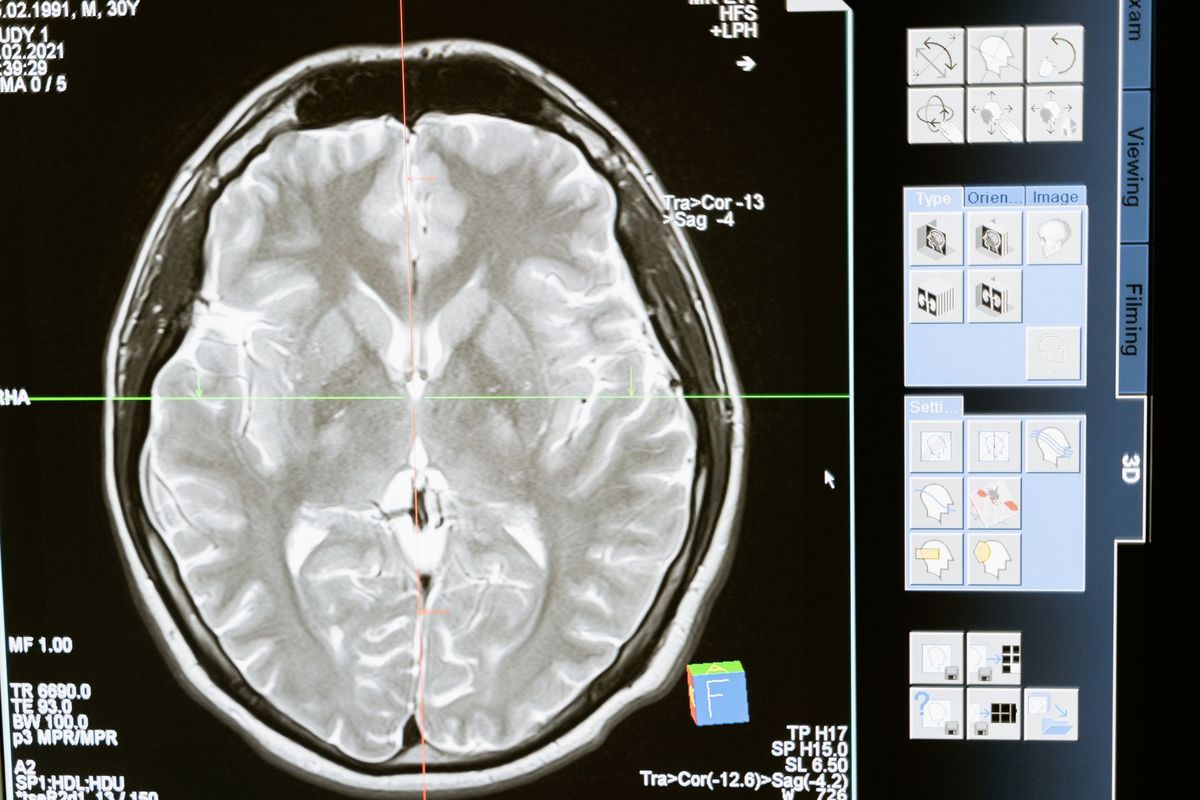
New scientific research indicates that as little as seven days of meditation can lead to significant changes in brain activity, with some effects described as similar to those observed after taking psychedelic substances. These findings, reported by sources including ScienceAlert and ScienceDaily, suggest a profound impact of intensive short-term meditation on neurological function.
A neuroimaging study conducted in 2025 revealed that participants undertaking a week-long meditation retreat experienced notable alterations within the brain network responsible for what is often referred to as the ‘constant inner narrator’. According to Space Daily, this network became as quiet as it typically does on psilocybin, crucially, without any of the study participants having consumed such substances.
Reports from both ScienceAlert and ScienceDaily corroborate these observations, stating that just seven days of meditation has the capacity to “rewire your brain”. This provides compelling scientific backing for the neuroplastic potential of meditative practices.
Background
Meditation has long been recognised for its potential benefits to mental well-being, with practices rooted in ancient traditions now widely adopted across the UK and globally. While anecdotal evidence and longer-term studies have previously highlighted various cognitive and emotional advantages, the focus on short, intensive periods yielding significant neurological changes marks a notable advancement in understanding.
The concept of ‘wellness retreats’ has gained traction, offering individuals a break from daily life to engage in focused practices. This recent neuroimaging study specifically examined the brain’s response to such an intensive, week-long immersion, moving beyond general relaxation benefits to explore specific neurological alterations.
A Week to Rewire the Brain
The central finding of the research is the remarkable speed at which meditation can influence brain architecture and function. Scientists now suggest that a mere seven days of dedicated meditation can initiate a process where the brain undergoes structural and functional changes, effectively “rewiring” its pathways.
This rapid impact challenges previous assumptions that significant neurological shifts require extended periods of practice. The implications of such swift changes could open new avenues for understanding and applying meditative techniques for cognitive enhancement and mental health support.
Psychedelic-Like Effects Without Substances
One of the most striking aspects of the study’s findings is the comparison of meditation-induced brain changes to those typically associated with psychedelic substances. ScienceAlert reported that a week-long meditation retreat produced “psychedelic-like brain changes.”
More specifically, the 2025 neuroimaging study detailed by Space Daily found that the brain network responsible for the “constant inner narrator” significantly quietened. This effect was observed to be on par with the level of quietness typically achieved when individuals are under the influence of psilocybin. The crucial distinction highlighted by the study is that these profound changes occurred in participants who had not taken any psychedelic substances, suggesting an inherent capacity of the brain to achieve altered states through focused meditative practice alone.
Frequently Asked Questions
- Q: What did the 2025 neuroimaging study find regarding meditation?
- A: The 2025 neuroimaging study found that after seven days of meditation, the brain network responsible for the “constant inner narrator” became as quiet as it typically does on psilocybin, and nobody in the study had taken psilocybin, according to Space Daily.
- Q: How quickly can meditation affect the brain?
- A: According to reports from ScienceAlert and ScienceDaily, just seven days of meditation can lead to changes in brain activity, suggesting it has the capacity to “rewire your brain.”
- Q: Are the brain changes from meditation comparable to psychedelic effects?
- A: Yes, a week-long meditation retreat was found to produce “psychedelic-like brain changes,” as noted by ScienceAlert. Specifically, the silencing of the “inner narrator” network was compared to effects seen with psilocybin.
- Q: What is the “inner narrator” in the context of this study?
- A: The “inner narrator” refers to the brain network that Space Daily identified as responsible for a “constant inner narrator.” The study observed that this network became significantly quieter after a week of meditation.
What this means for you
For residents of Manchester and Greater Manchester, as well as the wider UK audience, these scientific findings offer a compelling insight into the tangible benefits of meditation, even over a relatively short period. In an increasingly fast-paced world, the idea that a week of dedicated practice can profoundly impact brain function, quietening the incessant internal monologue, could be a significant development for personal well-being.
This research provides further scientific validation for a practice that is accessible and requires no external substances to achieve its reported effects. Whether considering a formal wellness retreat or incorporating short, consistent periods of meditation into daily life, the study suggests that the brain is capable of rapid adaptation. It underscores the potential for individuals to explore meditative practices as a means to foster mental clarity and potentially reduce the mental chatter that many experience.
As interest in holistic health and mindful living continues to grow across the UK, these findings from the 2025 neuroimaging study could encourage more people to investigate meditation, armed with the knowledge that even a focused week can lead to measurable and significant changes within the brain itself.