
Kuwait has finalised a significant $16 billion deal involving a stake in its vital oil pipeline infrastructure, attracting major global private equity firms Blackstone, KKR, and Brookfield. This substantial agreement sees these firms acquire a stake in Kuwait’s pipelines, marking a significant investment in the Middle Eastern nation’s energy sector.
The transaction, valued at $16 billion, has drawn attention from across the financial world due to the scale of the investment and the involvement of prominent private equity players. According to the Financial Times, Blackstone, KKR, and Brookfield have taken a stake in these crucial assets, underscoring their strategic importance.
Background
The $16 billion agreement represents a major transaction in the global energy market, with the involvement of prominent private equity giants such as Blackstone, KKR, and Brookfield. These firms are known for their extensive investments across various industries worldwide, often targeting infrastructure assets that promise long-term, stable returns.
Sources like Axios highlighted that the deal proceeds despite ongoing concerns related to Iran attacks, suggesting a robust commitment to the investment in Kuwait’s energy assets and a confidence in the stability of the region for such major infrastructure investments. The Wall Street Journal also confirmed the signing of the $16 billion Kuwait oil deal by KKR and Blackstone, further solidifying the reports of this significant transaction.
The Deal Particulars
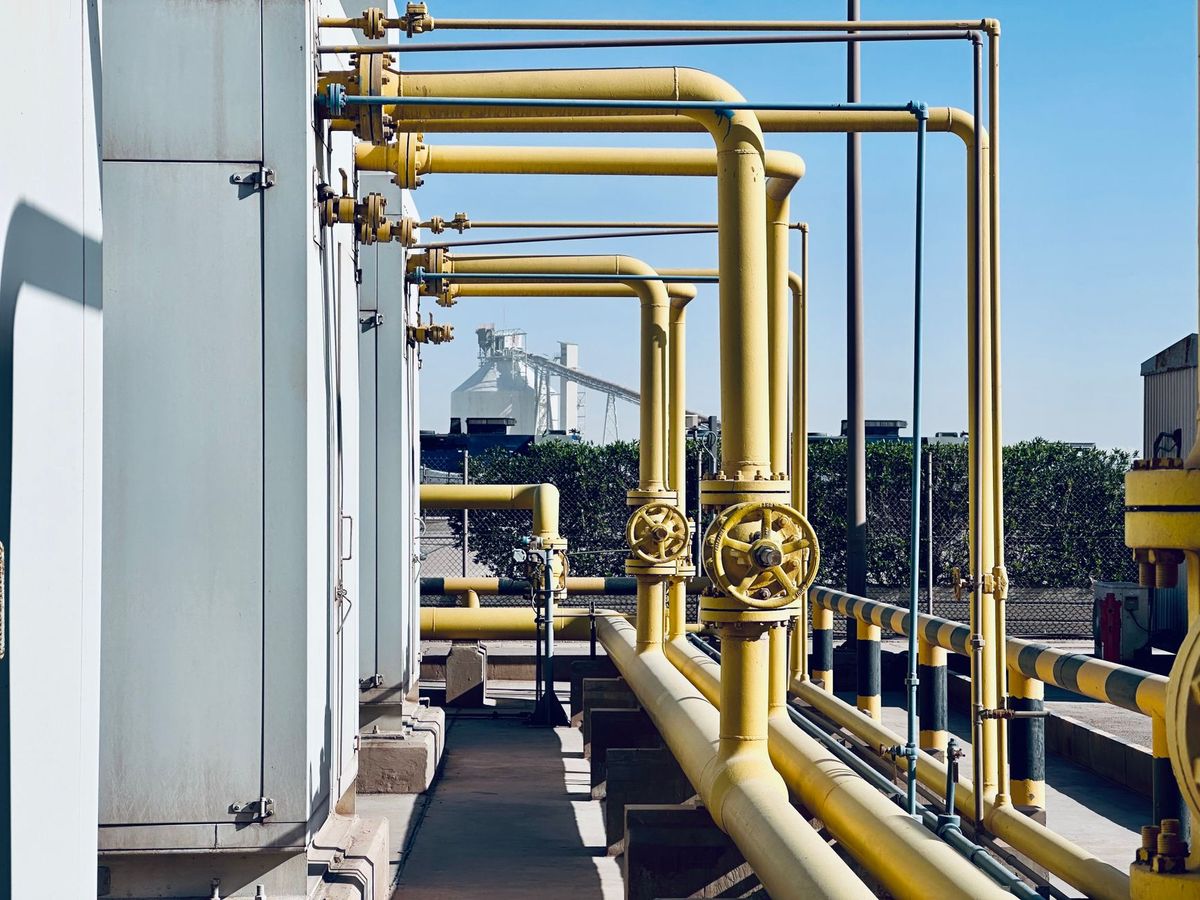
The agreement specifically focuses on a stake in Kuwait’s pipelines, which are an essential component of the nation’s oil infrastructure. These pipelines are critical for the transport of crude oil, playing a pivotal role in Kuwait’s position as a key global energy supplier.
The consortium of private equity firms — Blackstone, KKR, and Brookfield — collectively secured this stake. Their involvement signifies a strategic move to tap into the steady revenue streams typically associated with essential energy infrastructure. The Financial Times reported the participation of these three major firms in taking this stake.
The fact that such high-profile firms are investing indicates strong investor confidence in the long-term stability and profitability of Kuwait’s energy sector, even amidst regional geopolitical considerations. This confidence is a key factor in deals of this magnitude, where capital is deployed over extended periods.
Private Equity’s Strategic Role
The participation of private equity powerhouses like Blackstone and KKR in a deal of this magnitude underscores a broader trend of institutional investors seeking stakes in critical infrastructure assets globally. These firms often bring significant capital and operational expertise, aiming to enhance the efficiency and profitability of their acquired stakes through strategic management and financial restructuring.
Brookfield’s involvement alongside Blackstone and KKR further solidifies the diverse consortium of investors backing this strategic venture in Kuwait’s oil sector. Such collaborations among major private equity groups allow for the pooling of resources and expertise, enabling them to undertake large-scale, complex infrastructure investments that might be too substantial for a single firm.
This type of investment strategy allows these firms to gain exposure to the stable, often regulated, returns of infrastructure, which can be particularly attractive in periods of economic uncertainty. The $16 billion deal therefore not only highlights Kuwait’s strategic importance in the energy landscape but also the sophisticated investment strategies employed by global private equity.
FAQ
- Q: What is the main development regarding Kuwait?
- A: Kuwait has signed a $16 billion deal with private equity firms Blackstone, KKR, and Brookfield to acquire a stake in its pipelines.
- Q: Which firms are involved in this deal?
- A: The private equity firms Blackstone, KKR, and Brookfield are involved in this significant transaction.
- Q: What is the value of the deal?
- A: The deal is valued at $16 billion.
- Q: What asset is involved in the deal?
- A: The deal involves a stake in Kuwait’s oil pipelines, which are crucial for oil transport.
What this means for you
While this $16 billion deal takes place thousands of miles away in Kuwait, its implications can subtly resonate across the global economy, including for residents of Manchester and Greater Manchester, and the wider UK. The stability of oil-producing nations and the infrastructure that transports their resources is intrinsically linked to global energy prices, which in turn affect local economies.
Major investments by private equity giants like Blackstone and KKR in vital oil infrastructure contribute to the perceived stability of global energy supply chains. For UK consumers and businesses, fluctuations in these global markets can influence everything from petrol prices at the pump in Manchester to the cost of goods manufactured using energy-intensive processes across the country. Stable, secure energy infrastructure in key producing regions helps to mitigate some of the volatility that can impact household budgets and business operating costs.
Furthermore, the involvement of large international investment firms in such significant deals highlights the interconnectedness of global finance. These transactions represent substantial capital flows and strategic decisions that shape international trade and investment landscapes, ultimately impacting the broader economic environment in which UK businesses and households operate. The confidence shown by these firms in long-term energy assets can be a positive signal for broader economic stability.
While no immediate direct impact is expected on local jobs or services in Greater Manchester, the underlying principle of securing global energy infrastructure helps to maintain a degree of predictability in international energy markets. This predictability ultimately benefits all economies reliant on stable energy supplies, helping to underpin economic planning and consumer confidence. For more details on the deal, see the report by Axios.